A Forgotten Past

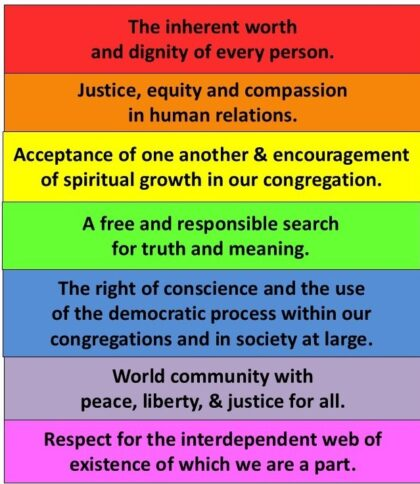
The seventh Principle of Unitarian Universalism affirms and promotes a respect for the interdependent web of all existence of which we are a part.

This includes an appreciation and respect for the Indigenous People who were the original inhabits of this land.

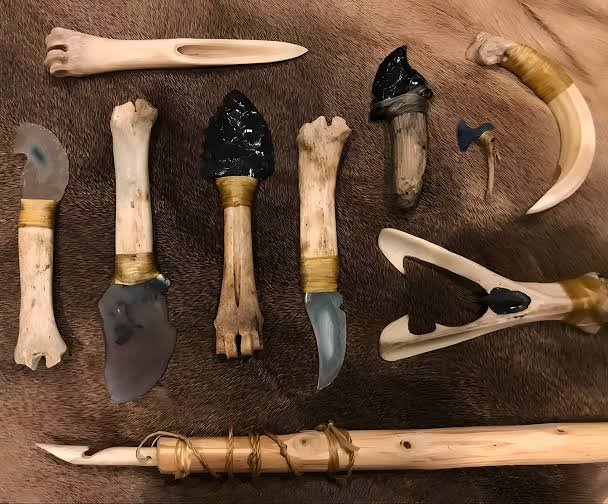
Join us this Sunday as guest speak Jim Woods talks about how ancient families made the tools they needed out of bone, wood, stone, shell, and fiber. This demonstration will show how they constructed everyday items such as knives and needles for making leather clothing, drills for making beads and ornaments, string for pendants and fishing, and more. These skills were taught to children at an early age, most often by their grandparents. Nearly all these basic life skills have now been completely forgotten. The program will include several tales which were used to help teach life lessons.
Drawing To Calm Your Mind

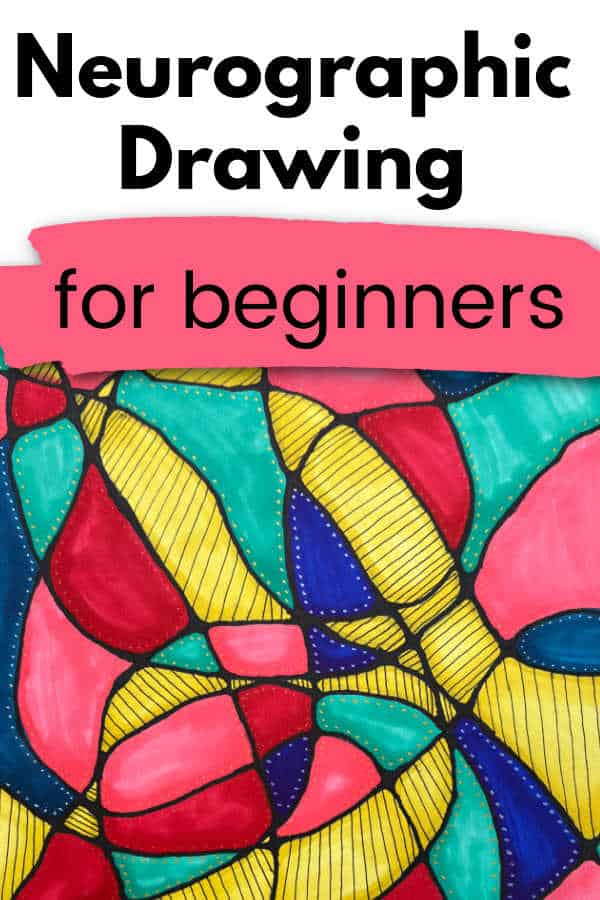
Neurographic drawing serves as a simple, yet powerful art therapy tool that bridges the conscious and subconscious mind, transforming stress and fear into an inner sense of calm and clarity.

It starts with free-flowing organic lines across the page and then transforms the sharp overlapping intersections into smooth, rounded curves. The focus is purely on the physical movement of the pen and paper, not the finished masterpiece. This requires no art training.

Join us this Sunday for a relaxing, yet informative service to learn about neurographic drawing. Feel free to bring your favorite pens and felt tip markers and some sheets of paper.

Please note that Zoom will NOT be an option for this service.

The Seven Principles

In the Unitarian Universalism faith, there are seven Principles that reflect deeply-held values and serve as a moral guide. The wisdom and spirituality of the Principles are drawn from sources as diverse as science, poetry, scripture, and personal experience. Join us this coming Sunday for a reflection and discussion of the history and what these Principles mean to Unitarian Universalists.